



For most small and medium sized businesses, accepting credit cards is no longer optional. Customers expect to pay using credit, debit, mobile wallets, and online checkout. In many industries, more than 70% percent of transactions are now card based.
If you do not accept cards, you risk losing customers before they even consider buying from you!
But there is a problem many business owners face.
Credit card processing fees can feel too high and confusing.
Between interchange, processor markup, gateway fees, hardware costs, and monthly service charges, many merchants feel like they are paying more than they should.
The good news is there are ways to reduce credit card fees while still giving customers the payment options they expect.
This guide explains how credit card processing works, what you need to accept cards, how approvals work, and which pricing models may help reduce costs.
It also explains how newer programs like dual pricing and free POS offers can change your total payment cost structure.
Why SMBs Need to Accept Credit Cards
Consumers rely on credit and debit cards for convenience, rewards points, fraud protection, and financing options. In retail, restaurants, and service businesses, customers often choose businesses that accept cards over cash only competitors.
Card acceptance also helps increase average ticket size.
Many businesses report that customers spend 15 to 30 percent more when paying with cards compared to cash.
Cards also help with online sales, recurring billing, deposits, and remote payments.
Even though credit card processing costs money, not accepting cards often costs more in lost revenue.
There Are Many Processing Options. How Do You Choose?
The processing market is crowded. Banks, credit card processors, independent sales organizations, and fintech platforms all offer merchant processing services.
Pricing models and contract structures vary widely.
When comparing merchant processing providers, you should look at total cost, transparency, contract flexibility, support quality, hardware options, and reporting tools.
The cheapest rate is not always the lowest total cost if you are paying high monthly fees or expensive hardware leases.
What You Need to Accept Credit Cards
To accept credit cards, you typically need three core components.
First, a merchant processing account.
Second, payment acceptance technology such as terminals or POS software.
Third, a payment gateway if you accept payments online.
The merchant processing account allows you to connect to card networks like Visa, Mastercard, American Express, and Discover.
The POS or terminal allows you to capture payment in person.
The gateway handles secure transmission for online payments.
How the Merchant Processing Application Works
When you apply for merchant processing, the provider reviews your business details. Approval decisions are usually based on business type, processing volume, history of chargebacks, time in business, and owner credit profile.
Low risk businesses like retail stores, restaurants, and professional services usually get approved quickly. Higher risk industries may require more underwriting or reserves.
If you process higher volume, processors may offer better pricing. For example, a business processing 20,000 dollars per month may pay higher rates than a business processing 200,000 dollars per month.
Main Types of Credit Card Processing Pricing
Interchange Plus Pricing
Interchange plus pricing separates the card network cost from the processor markup. For example, interchange might be 1.8 percent plus 10 cents, and the processor adds 0.3 percent plus 10 cents. This model is transparent but can be harder to understand.
Flat Rate Processing
Flat rate pricing charges the same rate for most cards. For example, 2.9 percent plus 15 cents per transaction. This is simple and predictable but sometimes more expensive for high volume merchants.
Dual Pricing Program
These models help merchants reduce or offset credit card fees by adjusting pricing based on payment method.
Dual pricing is becoming popular because it allows businesses to display cash price and card price while staying compliant with card network rules when implemented correctly.
Ways to Accept Credit Cards
You can accept credit cards in person, online, or both. Each method has different costs.
In person payments using chip insert are usually the lowest cost because fraud risk is lower.
Swipe transactions cost slightly more.
Manual key entry costs the most because fraud risk is highest.
Online payments usually have higher processing costs because the card is not physically present.
However, online payments open access to new customers and remote sales.
How to Reduce Credit Card Processing Fees
First, review your current statements. Many merchants never review their monthly processing statements closely.
Look for hidden fees, monthly minimums, or non qualified rate tiers.
Second, negotiate pricing. Many providers can adjust markup if you have stable volume and low chargeback history.
Third, optimize how payments are accepted. Encourage chip insert over manual entry. Use address verification for online payments. Reduce chargebacks through clear refund policies.
Fourth, consider dual pricing if it fits your customer base and local regulations.
How Dual Pricing Works
Dual pricing allows businesses to display two prices. One price for cash and one price for card payments. When customers pay with card, the system automatically applies the card price. When customers pay cash, they get the lower cash price.
This model helps offset processing costs without raising menu or service pricing for cash customers. Many restaurants, retail stores, and service businesses use dual pricing to control processing expenses.
Dual pricing programs must follow card brand rules and state laws. Clear signage and receipt disclosure are required.

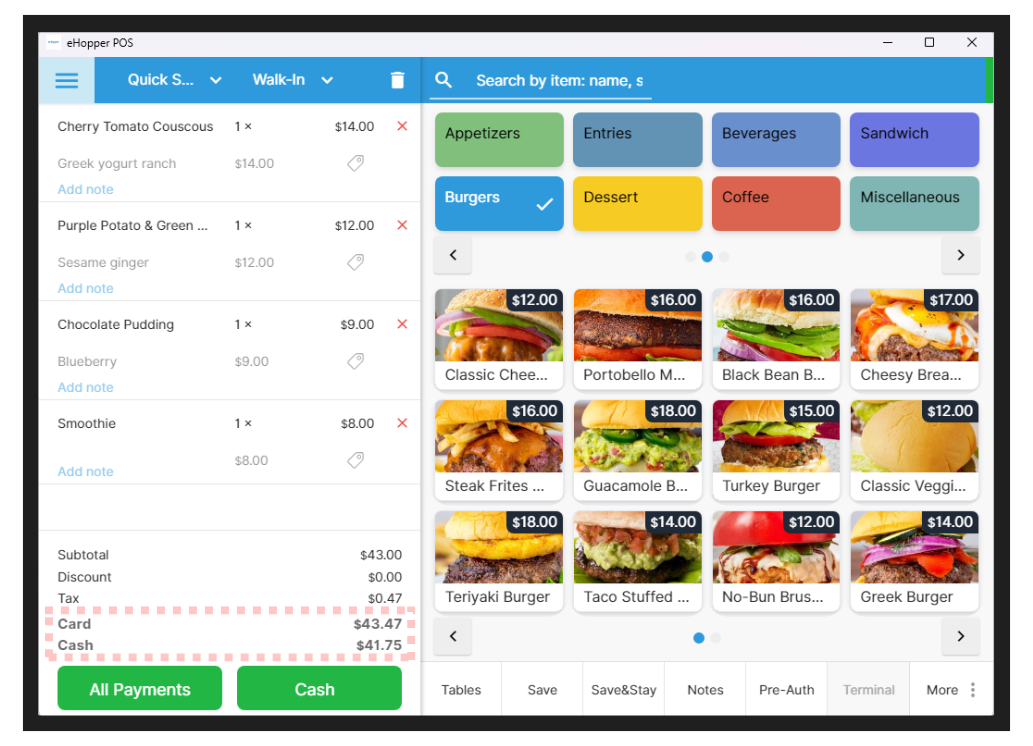
Hardware and Technology You May Need
You may need payment terminals, handheld devices, POS systems, or virtual terminals depending on your business type.
Restaurants often need POS systems with table management. Retail stores often need barcode scanning and inventory integration. Service businesses may need virtual terminals and invoice payment links.
Modern POS systems combine payment acceptance, reporting, employee tracking, and customer data tools into one platform.

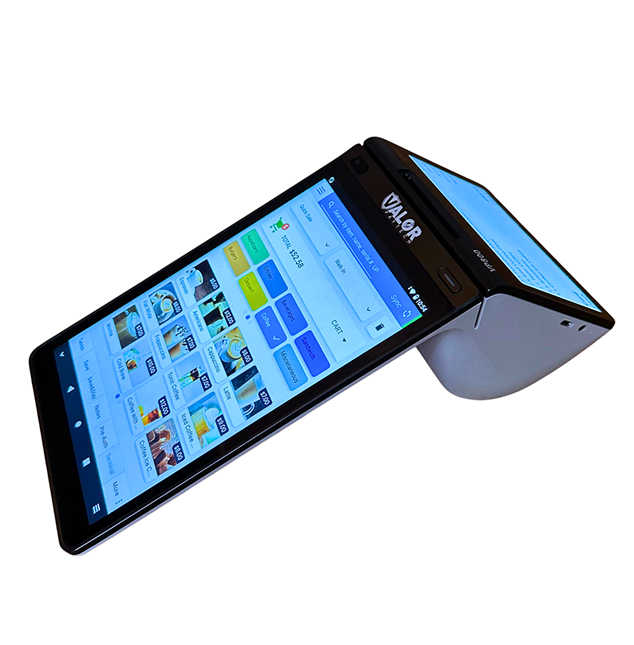
How Free POS Offers Typically Work
Free POS programs usually bundle software cost into processing relationship revenue. As long as you process with the provider, you can use the POS software at no monthly software cost.
This model can help small businesses adopt modern POS tools without heavy upfront investment.
Choosing the Right Merchant Processing Partner
Look for providers that are transparent about fees, flexible with contracts, strong in support, and aligned with your business growth. The best processing partner is not always the one with the lowest advertised rate. It is the one with predictable total cost and strong support when issues happen.
A Practical Approach Many SMBs Are Taking
Many merchants are combining three strategies. They use modern POS systems to improve efficiency. They review statements quarterly to catch hidden fees. They evaluate dual pricing or cost offset programs to control long term expenses.
Where eHopper Fits Into This Conversation
At eHopper, the focus is helping merchants find the best processing structure for their business model. One approach is offering free point of sale software when businesses sign up for merchant processing services.
This helps small business operators reduce upfront technology costs while still getting access to full POS features including reporting, inventory tools, customer management, and payment acceptance.
Final Thoughts
Credit card processing fees are part of doing business today, but they should not feel uncontrollable. With the right pricing model, payment setup, and technology partner, many businesses can reduce credit card fees while still delivering great customer payment experiences.
The key is understanding how processing works, reviewing your statements regularly, and choosing a processing model that fits your transaction patterns and customer behavior.
When you understand your options, you are in a stronger position to control costs and keep more of your revenue.
Next Steps
If you are looking to reduce your credit card processing costs, or even offset them, the next step is to review your current setup and explore programs built to lower total payment expenses.
Checkout our free credit card processing calculator to estimate your monthly fees.
Take advantage of the eHopper POS offer, where you can get a feature rich eHopper POS system for free when you sign up for qualifying merchant processing.
This helps you control costs while still using a full POS platform with reporting, inventory, and payment tools.
Contact us to schedule a free demo and see how it can work for your business.